
• Events
    • All events
    • Opening Ceremony
    • EU TalentOn
    • EUCYS
    • Closing Ceremony
  • Engagement
    • Co-Creation
    • Citizen science
    • Science battle
    • Mutual learning
    • Science show
    • Teacher Training
    • Children University
  • News & Media
    • News
    • Media center
  • About
    • The Project
    • Partners
    • Advisory board
  • Contact
  • Events
    • All events
    • Opening Ceremony
    • EU TalentOn
    • EUCYS
    • Closing Ceremony
  • Engagement
    • Co-Creation
    • Citizen science
    • Science battle
    • Mutual learning
    • Science show
    • Teacher Training
    • Children University
  • News & Media
    • News
    • Media center
  • About
    • The Project
    • Partners
    • Advisory board
  • Contact
Search
linkedin youtube instagram

Uključenost

Uključenost Sukreiranje Citizen Science Science Battle Mutual Learning Science show Teacher Training Children University

Sudjelujte dijeleći svoje ideje, iskustva i znatiželju! Science Comes to Town vas poziva da sudjelujete na različite načine.

  • Co-Creation
    • Surađujte od samog početka u Zajedničkom stvaranju, gdje aktivno oblikujete projekte i razvijate rješenja zajedno sa znanstvenicima.
  • Joint Citizen
    • Znanje – Sudjelujte u Zajedničkoj građanskoj znanosti, gdje istražujete, promatrate, eksperimentirate i doprinosite svojim uvidima u stvarna istraživanja.
  • Science Battle  
    • Testirajte svoju kreativnost i timski rad u Znanstvenoj bitci.

Svaki oblik sudjelovanja nudi jedinstven način povezivanja znanosti s svakodnevnim životom i omogućuje da napravite stvarnu razliku u svojoj zajednici.

Sudjelovanjem ne promatrate znanost samo izvana: postajete njezin dio. Vaše ideje, iskustva i lokalno znanje pomažu u razvijanju praktičnih rješenja, generiranju značajnih uvida i stvaranju projekata koji su relevantni, utjecajni i znanstveno utemeljeni.

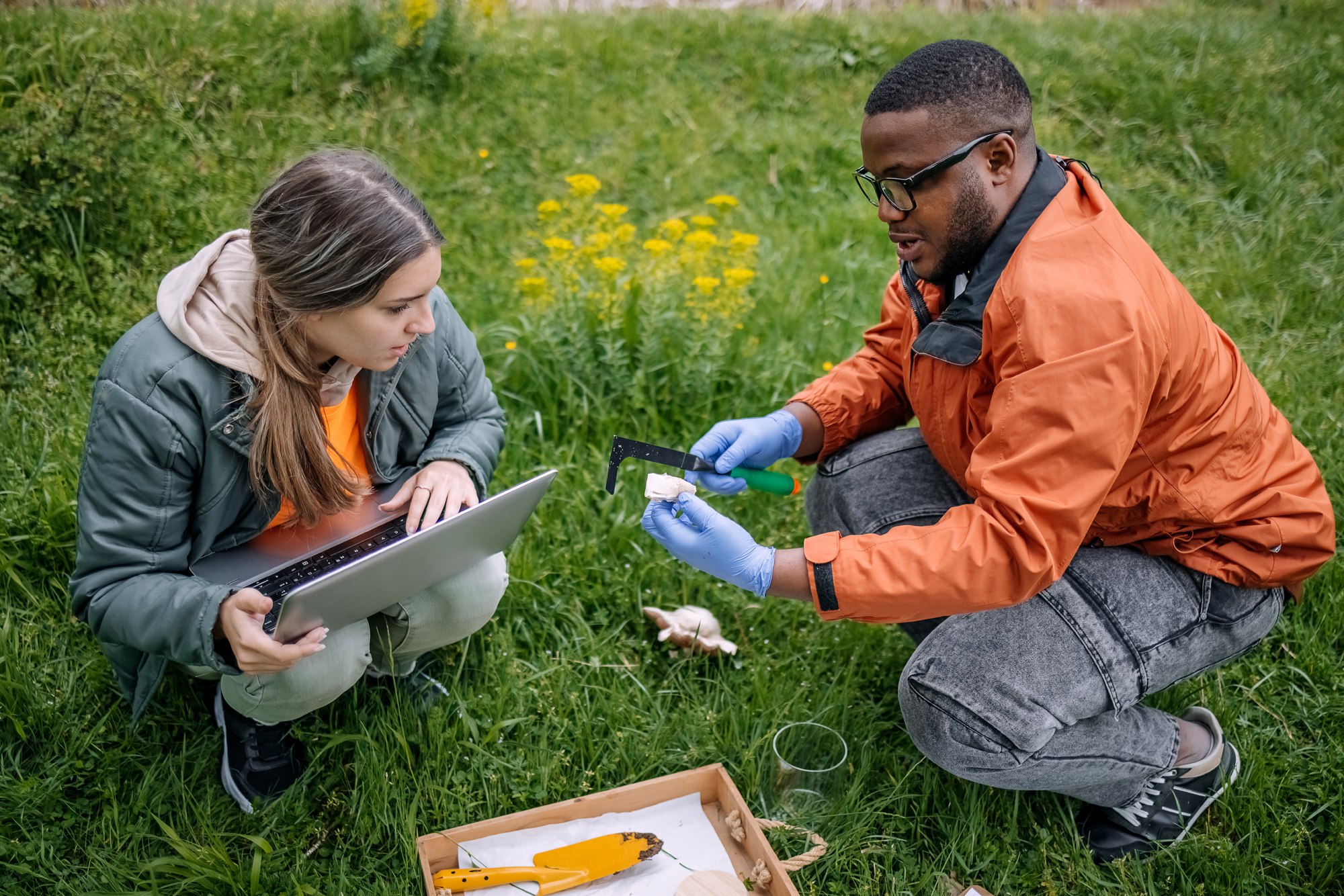
Istockcomhowtogoto 

Sudjelovanje je otvoreno za sve, bez obzira na dob, pozadinu ili stručnost. Bilo da sudjelujete sami, s prijateljima, obitelji, školskom klasom ili klubom, vaš doprinos je važan. Zajedno možemo učiniti znanost otvorenijom, pristupačnijom i relevantnijom – pretvarajući znatiželju u akciju, a ideje u promjene u susjedstvima, školama, klubovima i gradovima.

Što znači Zajedničko stvaranje?

Zajedničko stvaranje znači “stvarati zajedno.” Građani, znanstvenici, lokalne vlasti i organizacije surađuju kao ravnopravni partneri, svaki donoseći svoj vlastiti pogled. Znanstvenici pružaju stručnost, građani doprinose iskustvima iz svakodnevnog života, a organizacije poznaju praktične uvjete. 

Za razliku od tradicionalnog sudjelovanja, gdje građani obično daju komentare tek na kraju, Zajedničko stvaranje započinje od samog početka, oblikujući koje su teme važne. Zajedno, sudionici razvijaju ideje, postavljaju pitanja, traže odgovore i provode rješenja. Rezultat: projekti koji su relevantni, praktični i znanstveno utemeljeni.

Istockcomdejan marjanovic

Zajedničko stvaranje otvoreno je za sve, bez obzira na dob, iskustvo ili stručnost. Radi se o aktivnom oblikovanju rezultata, kombiniranju perspektiva i stvaranju rješenja koja donose stvarnu promjenu: u susjedstvima, školama, klubovima ili cijelim gradovima. 

Zajedničko stvaranje stoga nije samo proces sudjelovanja. Ono je pokretač inovacija, iskustvene demokracije i konkretnih promjena u životnoj sredini ljudi.

Posjetite lokalne web stranice Zajedničkog stvaranja i pridružite se pokretu!

Kiel

Posjetite web-stranicu

Brest

Posjetite web-stranicu

Split

Posjetite web-stranicu


Zajedničko stvaranje u okviru Science Comes to Town

Projekt Zajedničkog stvaranja dio je inicijative EU-a Science Comes to Town. U Kielu, Brestu i Splitu, građani su pozvani razvijati vlastite istraživačke projekte o temama koje su im važne u svakodnevnom životu. Ne radi se o složenim laboratorijskim eksperimentima, već o praktičnim projektima koji povezuju znanost s lokalnim životom.

Odabrani projekti dobivaju:

  • Nagradni novac (do 1.000 € po projektu)
  • Smjernice od znanstvenika koji djeluju kao savjetodavni partneri
  • Javnu vidljivost kroz komunikaciju projekta


Naš cilj: Učiniti znanost opipljivom i relevantnom, pretvoriti građane u istraživače i stvoriti znanje koje izravno koristi gradovima.

Što je građanska znanost?

Građanska znanost znači uključivanje građana u znanstvena istraživanja — zajednički rad na stvaranju novih saznanja i poticanju napretka znanosti.

U područjima poput zaštite okoliša, obrazovanja, zdravlja te humanističkih i društvenih znanosti, sve veći broj inicijativa okuplja istraživače i građane u zajedničkom procesu stvaranja znanja. Ovo uključivanje može poprimiti različite oblike — od razvoja istraživačkih projekata i prikupljanja ili analize podataka, do dijeljenja i objavljivanja rezultata.

Građanski znanstveni projekti pomažu:

  • Proširiti znanstveno znanje,

  • Rješavati lokalne izazove i stvarati društveni utjecaj,

  • Jačati vještine i razumijevanje ljudi kako bi mogli djelovati,

  • Produbiti povezanost istraživanja s političkim i društvenim odlukama,

  • Potaknuti dijalog i izgraditi povjerenje javnosti u znanost.


Identifikacija, procjena i podrška građanskim znanstvenim projektima u Brestu, Kilu i Splitu

Kao dio inicijative Science Comes to Town, Brest, Kiel i Split surađuju na identificiranju i analiziranju građanskih znanstvenih projekata u svojim gradovima i šire.

Građanska znanost obuhvaća širok spektar metoda, pristupa i ciljeva. Zbog te raznolikosti, takve projekte ponekad je teško prepoznati, usporediti ili dijeliti između regija. Studija Science Comes to Town ima za cilj to promijeniti — stvaranjem zajedničkog okvira za razumijevanje i procjenu ovih inicijativa, poticanjem građanskog angažmana i podrškom širenju takvih projekata diljem Europe.


Ukratko, do 2026. godine Science Comes to Town planira:
📚 Izraditi sveobuhvatan pregled i procjenu građanskih znanstvenih projekata u Brestu, Kilu i Splitu.
✨ Organizirati događanja koja ističu postojeće inicijative i pružaju građanima priliku da se uključe.
🤝 Istražiti načine za razvoj zajedničkog građanskog znanstvenog projekta u tri partnerska grada.

Jeste li dio građanskog znanstvenog projekta — ili ga sami vodite? Pridružite se inventaru Science Comes to Town!

Bilo da je vaš projekt temeljen u regiji Brest, Kiel ili Split, vaš doprinos nam je izuzetno važan. Bez obzira na temu — okoliš, zdravlje, obrazovanje ili humanističke i društvene znanosti — i način uključivanja građana, vaša iskustva su nam vrijedna.

Sudjelovanjem u ovoj studiji doprinosite razvoju građanske znanosti i dobivate veću vidljivost svog projekta diljem Europe.


Kontakt:
Brest: sciencecomestotown@oceanopolis.com
Kiel: sctt@kielregion.de
Split: scttsplit@gmail.com
Science battle

Register for a science competition and travel to Kiel for the European Grand Finale!

Overview

As part of the European project Science Comes To Town, Brest, Kiel and Split invite citizens to take part in a scientific competition. Twelve teams will compete in three game-based challenges. The winning teams from Brest, Kiel and Split will travel to Kiel in June for the grand final.

The competition takes place in two main stages


Stage 1 · April

Quiz

Escape game and experiments


Stage 2 · May

Construction challenges and idea debates

Each challenge will be supervised by scientists, and the number of teams selected for the next stage will be reduced by half.

Objectives

This scientific competition aims to show how science addresses local and concrete challenges, while encouraging citizens to express their scientific knowledge by working on a variety of themes.

This format promotes curiosity, creativity, teamwork, and open discussion, creating an inclusive space where science becomes accessible to a wide audience.

The event combines different types of challenges, transforming science communication into an engaging public experience. Participants are invited to take an active role, collaborate as a team, and exchange viewpoints with researchers on topics ranging from sustainability and health to engineering, cultural heritage, and marine sciences.

Who can apply?

Applications are open to all residents of the three cities. Teams must consist of five people aged over 14, one adult and at least one team member must speak English.

No prior scientific or university experience is required.

Special attention will be given to teams that demonstrate diversity – age, gender, profession, and more.

Commitments

The ten selected teams per city commit to participating in both stages of the competition and to travelling to Kiel in the event of a win.

Application deadline

Applications are open until Friday, March 20 (inclusive).

How to apply

Please submit your application using one of the following methods depending on your city of application. If you are underage, please complete the parental consent form and attach it to your application.

Visit the local websites to join the competition!

Kiel

Visit website

Brest

Visit website

Split

Visit website

Application forms

Kiel · to the form Brest · to the form Split · to the form
Mutual learning

What is mutual learning?

Mutual Learning, a Science Comes to Town initiative, is designed to bring together professionals and experts from across partner cities. These workshops create a collaborative environment where participants can exchange best practices, share experiences, and explore innovative approaches to topics of common interest.

Built around the principles of peer learning and co-creation, the workshops encourage participants to bring real challenges from their own institutions and cities. Through facilitated discussions, hands-on group work, and the sharing of practical expertise, participants work together to develop ideas, identify solutions, and gain new skills that can be applied and disseminated within their local contexts.

The programme also includes participant-led sessions offering opportunities for attendees to propose topics, showcase their own expertise, and explore emerging issues with their peers. Beyond the workshops themselves, the initiative aims to foster lasting connections and support the development of long-term communities of practice across Europe.

Four key themes for 2026

Botanical gardens Museums Science communication Science shows

Together, these workshops strengthen collaboration, encourage innovation, and support the development of impactful science engagement activities.

Key principles


Peer exchange

Participants share their own experience and methods


Real challenges

Participants bring current science communication questions from their institutions


Hands-on work

Teams develop ideas and solutions together


Participant expertise

Short sessions contributed by participants themselves

The programme also allows space for participant-led sessions, similar to a light bar-camp format, where participants propose topics they would like to share or explore.

Upcoming workshops

Sctt general
For the museums

Workshop: preparing the collections for relocation

10–12 June 2026

Sctt general
For the botanical gardens

Workshop: science communication in botanical gardens and plant science

27–29 May 2026

Sctt general
Online workshop

Online session: scientific communication

22 October 2026

Train-the-trainer: taking the Science Show to the world

As part of the initiative “Science Comes to Town”, Kiel University (CAU) is offering an international Train-the-Trainer programme designed to extend the success story of the Science Show and provide fresh impetus for science communication. The aim is to prepare committed multipliers to bring the Science Show concept to their own cities and institutions – tailoring it to local contexts and target audiences.

Participants can look forward to a practical, modular training programme in 2026. Working within an international group, they will benefit from intensive professional exchange and a ‘wealth of experience’ that has been built up in Kiel over many years and further developed within the SEA-EU Alliance.

Certification

Upon successful completion of the programme, participants will be awarded an official certificate as a ‘Science Show Trainer’. This not only certifies the skills acquired but also makes participants active ambassadors for dynamic science communication.

The Train-the-Trainer programme represents a significant step toward the sustainable dissemination of the Science Show – and toward making science visible, understandable, and inspiring across Europe.

Science show 3600 2400 max

Research takes the stage

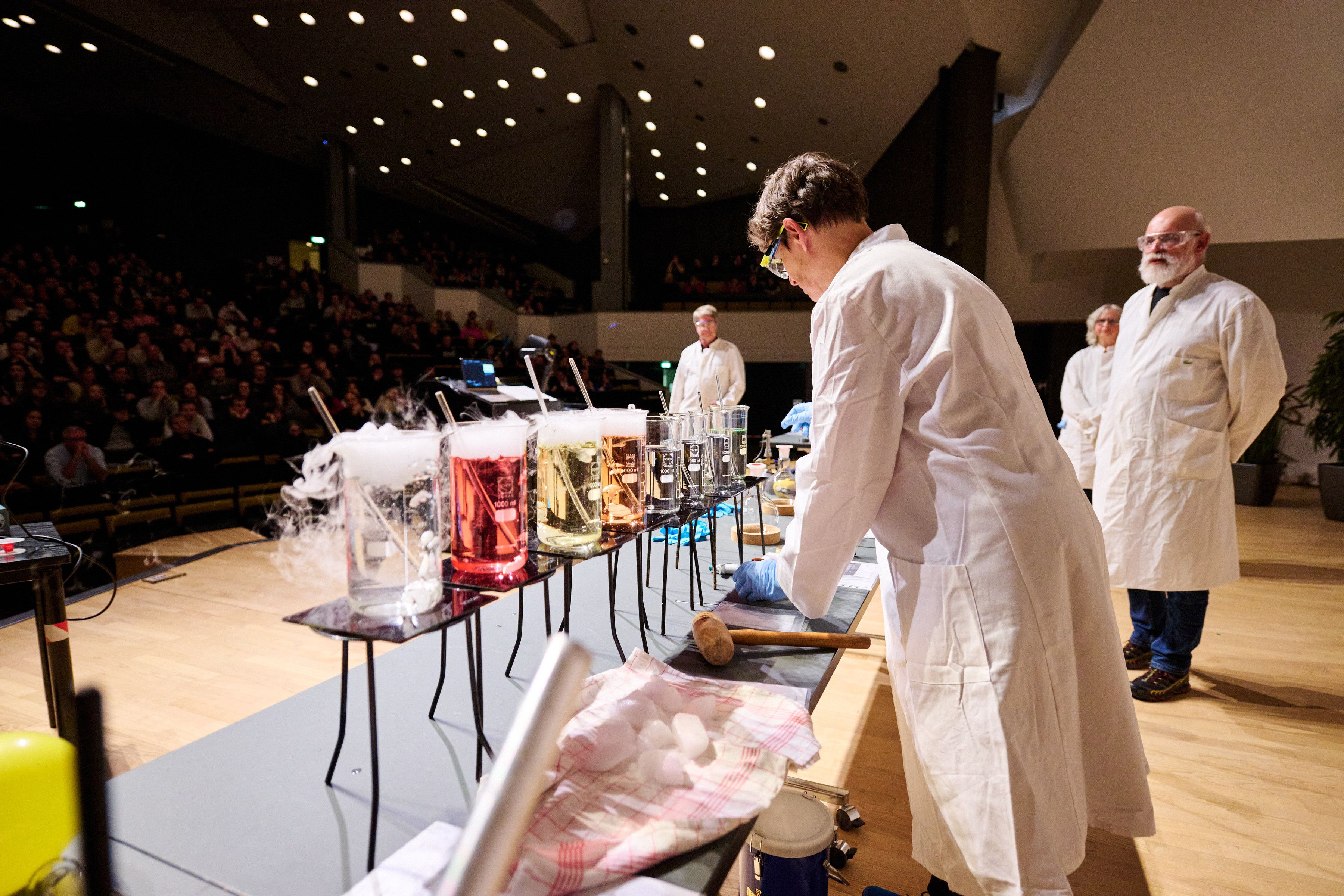
The Science Show at Kiel University brings current research to the stage – in a lively, accessible and engaging way. Young researchers share their work with a broad audience, bringing science to life outside the lecture hall.

Speakers also get the chance to build confidence and sharpen their own presentation style. They're coached by Ulf Evert and Katharine Simmons, who have spent years running practical presentation courses for students and doctoral candidates – preparing participants to communicate their research with clarity, enthusiasm and confidence on stage.

Science communication in action

More than an event – a platform for ideas, a training ground for talent, and a meeting place for science and the public.

Events in 2026


Women Science Show

5 March 2026 · Studio Filmtheater


Ocean Science Show

9 May 2026 · Segelcamp Kiel


Science Show at Kieler Woche

21 June 2026, 2:00 pm · Seeburg, Kiel

24 June 2026, 1:45 pm · Junge Bühne, Ratsdienergarten, Kiel

27 June 2026, 2:00 pm · Seeburg, Kiel (in English)


Science Comes to Town staff week

30 June – 2 July 2026 · Kiel


Science on the Beach

30 July 2026, 5:00 pm · Konzertmuschel, Laboe


Science Show @ EUCYS

23 September 2026 · CAU


Science Show @ Science Day

25 September 2026 · Pumpe


Night of the profs

20 November 2026 · CAU


Science in Advent

December 2026 · Seeburg

Teacher training

Coming soon

We're putting the finishing touches on this programme. Check back soon for details.

Children university

Coming soon

We're putting the finishing touches on this programme. Check back soon for details.

Navigacija
  • Events
  • Engagement
  • News & Media
  • About
  • Contact
Prati Science Comes To Town

Mišljenja i stavovi izraženi u ovom tekstu pripadaju isključivo autoru/autorima i ne odražavaju nužno stavove Europske unije niti Europske agencije za izvršavanje istraživanja (REA). Ni EU ni REA ne mogu se smatrati odgovornima za njih.

Politika privatnosti Pravne napomene
Dizajnirao i omogućio